Preventive Pet Care Plans from Prairieville Animal Hospital: Enrollment Tips
Choosing a preventive care plan for a pet is less about price and more about predictability. It’s about turning veterinary care into a routine that fits your life and your animal’s needs rather than reacting only after something breaks. At Prairieville Animal Hospital, the preventive care program is designed to be flexible, transparent, and approachable for busy families. The enrollment experience sits at the intersection of clear information, practical scheduling, and a philosophy that prevention saves money in the long run while elevating quality of life for pets. This article shares practical guidance drawn from real client experiences, focusing on how to evaluate options, prepare your pet, and move through the enrollment process with confidence.
Understanding what a preventive pet care plan does for you and your animal is the first step. Many families come to Prairieville Animal Hospital with questions that sound straightforward but actually reveal deeper concerns about time, finances, and the unknowns of chronic conditions. A well-structured plan doesn’t replace a primary relationship with your veterinarian; it strengthens it. It creates touchpoints for vaccines, routine blood work, dental care, and wellness counseling at predictable intervals. When the plan aligns with your pet’s life stage, you gain a reliable calendar of care. For puppies and kittens, that calendar might emphasize vaccines, parasite prevention, and socialization guidance. For adult dogs and cats, it extends to dental health and annual screening. For senior pets, it sharpens focus on organ function assessment, pain management, and quality of life. Across all ages, the goal is steady maintenance rather than crisis-driven visits.
The enrollment process begins with a clear conversation. Prairieville Animal Hospital makes it possible to ask questions about what is included in a plan, what is not, and how costs are structured. Some clients walk in with a rough estimate of monthly outlays, others with a fear of hidden fees. Both groups deserve honesty. In practice, enrollment flows best when you have a few anchors in mind: your pet’s age, any existing medical concerns, your preferred visit cadence, and your financial expectations. If your schedule is already crowded with work, child care, and travel, the staff can help build a plan that minimizes trips while maximizing preventive value. This is not about pushing a one-size-fits-all product; it is about guiding you to a sensible choice that respects your family’s rhythm.
The questions you ask at enrollment time reveal what you value most. Many clients want to know how often vaccines need updating and whether the plan covers dental cleanings, microchip services, or nutritional counseling. Others want to understand how preventive care interacts with chronic conditions, such as arthritis in an older dog or diabetes management in a cat. Prairieville Animal Hospital has experience helping families align these pieces so the plan feels practical rather than theoretical. If you have a pet with special needs, the enrollment conversation might look different. It could involve coordinating with a primary care veterinarian or booking flexible appointment windows to accommodate mobility challenges. The tone of the discussion matters. A good team member will listen, summarize your concerns, and lay out a tailored path that doesn’t require you to juggle incompatible expectations.

Enrollment is also about clarity on cost and value. A well explained plan presents the monthly number and breaks down what you get for that price. It offers a realistic sense of how many visits in a year are included, what kinds of exams are routine, and how much lab work or imaging might be billed separately. The practical upshot is predictable budgeting. You don’t have to guess whether an expected tooth cleaning will be charged as an add-on or included in the package. You can compare the plan against a la carte visits over the year to see where savings actually accumulate. For many pet owners, the math lines up with their own risk tolerance: they prefer to address minor health questions in a routine setting rather than wait for a problem to arise.
One of the most helpful parts of the enrollment experience is understanding how the plan addresses dental health. Dental disease is pervasive in companion animals and often flies under the radar until it becomes painful or leads to systemic issues. A comprehensive preventive plan should place strong emphasis on dental checks, professional cleanings when indicated, and at-home care guidance. Enrollment conversations that include a dental component tend to be more actionable for families who want to prevent choking hazards, gum disease, and tooth loss. In practice, you might schedule two dental touchpoints each year, with the plan covering the core cleaning and polishing and offering guidance on brushing routines and dental diet options for your pet. This approach tends to yield noticeable improvements within six to twelve months, especially when you couple professional care with at-home daily brushing.
Another practical aspect is how the plan integrates with routine diagnostics. Wellness panels, blood work, and urinalysis are essential for early detection of problems that would not be obvious otherwise. A thoughtful preventive plan may incorporate annual or semiannual screening blood work for middle-aged dogs and cats, with more frequent monitoring for senior pets or those with chronic conditions. The advantage is clear: issues caught early are often easier and cheaper to manage, and they can translate into longer, healthier lives for your animal. The enrollment team at Prairieville Animal Hospital can explain which tests are recommended at certain life stages and how often they should be repeated. They can also help you understand what to expect if a test result falls outside the typical range, including what steps the hospital would take to confirm a diagnosis and adjust care.
In practice, preparedness matters a lot. Before you enroll, it helps to observe how your pet responds to routine care. Do they tolerate exams and vaccines with minimal stress, or do they become anxious and mouthy? Are dental visits a struggle, or can you desensitize your pet with careful veterinary clinic near me handling and positive reinforcement? These questions matter because they influence how smoothly preventive care can be delivered. If you have a shy cat, for instance, you might plan for a short, staged visit focused on a gentle examination followed by a reward. If your dog is a senior with arthritis, you may want to coordinate a visit schedule that minimizes mobility challenges, perhaps pairing a checkup with a needed knee massage or pain management discussion. The enrollment team can help you tailor the plan to minimize stress for your pet while maximizing the benefits of preventive care.
Let’s pivot to the practical side of getting started. The enrollment process is typically straightforward, but a few steps help ensure everything goes smoothly. First, gather relevant information. This includes your pet’s current health records, any past vaccines, and a rough inventory of medications or supplements your pet is taking. If you’re transitioning from another clinic, have those records ready or available for a quick transfer. The veterinary staff can import or summarize key details so there is no gap in care during the switch. Second, consider your home routine. If you or your family travel a lot, you’ll want to know how the plan accommodates missed visits or rescheduling. A good program includes flexible options and recognizes that life happens. Third, prepare a short list of questions about what happens if a pet needs urgent care or if a nonstandard procedure is required. You want to understand how the plan interfaces with emergency services and what costs might be involved in out-of-plan interventions.
A notable benefit of enrolling through Prairieville Animal Hospital is the access it provides to a consistent veterinary team. Seeing familiar faces during preventive visits supports a more accurate health history, which in turn improves the quality of care. For families with multiple pets, this continuity also saves time and reduces anxiety for animals who dislike unfamiliar clinics. The enrollment experience becomes less about paperwork and more about building a long-term relationship that keeps your pets at their best. The clinic understands that each household is different. Some clients appreciate a strict, predictable cadence with minimal deviations. Others want more flexibility to adjust the plan as their family evolves. The clinic aims to accommodate both approaches, with clear policies that prevent misunderstandings while preserving the core goal of preventive health.
To make sure the enrollment feels practical and grounded, consider the following live scenarios drawn from actual client experiences. A family with a rambunctious border collie found the plan valuable for the steady cadence of vaccines and the annual dental cleaning. They appreciated the predictability of costs and the ease of booking well in advance. Another household, caring for a senior cat with early kidney changes, used the plan to couple routine blood work with targeted dietary advice. The result was fewer surprises at the end of the year, and a better sense of control over the pet’s well-being. In both cases, enrollment was not a one-off transaction; it became a framework for ongoing conversation about health, behavior, and lifestyle.
The role of the veterinary team in enrollment is not to push a product but to partner with you. A seasoned clinician will walk you through the plan, point out potential gaps, and propose realistic adjustments. They will also be honest about what is not included and offer alternatives or add-ons that may be meaningful for your pet. For families considering the broader spectrum of services at Prairieville Animal Hospital, it can be helpful to review related offerings such as animal boarding and day care options. You might find that arranging a checkup around a boarding stay provides a practical way to keep preventive care on track during busy travel periods. The hospital’s online presence, including prairievilleanimalhospital.com, offers a repository of service descriptions, clinic hours, and contact options that support informed decisions, even when you are comparing care across multiple providers.
If you are weighing the idea of enrollment versus paying as you go, think about risk management. The preventive plan often reduces the per-visit variability in cost, particularly for routine matters such as vaccines, parasite prevention, and dental care. It does not eliminate expenses entirely, especially when illness outside the standard preventive scope arises. But it does shift the financial dynamic toward regular, predictable investments in health rather than reactive, episodic payments for problems. For households on tighter budgets, the plan can still be compelling because it provides a framework to anticipate annual costs rather than encountering sudden, larger bills. In real terms, you may notice that the monthly payment is balanced by the absence of surprise charges for standard preventive services.
The path to enrollment is paved with clear next steps. If you decide to pursue a plan, you can expect a concise summary of what is included, a straightforward cost estimate, and a practical timeline for when to begin coverage. The staff will often propose a kickoff appointment that aligns with your pet’s vaccination schedule or a routine wellness visit. This initial visit serves as a baseline check, allowing the team to document current health status, address any concerns, and confirm that the plan chosen matches the pet’s life stage. You can treat this appointment as the first milestone in a long-term preventive strategy. The outcomes you seek—better health, fewer surprises, and a stronger caregiver team—begin to crystallize after that first properly planned visit.

To keep the enrollment journey smooth, bring a note of flexibility to the table. Life with a pet is never perfectly scheduled, and the best preventive plans acknowledge that reality. If your dog experiences an aversion to car rides or your cat is sensitive to handling, tell the team. They can adjust the appointment environment, allocate additional time, or suggest enrichment strategies that make routine visits less stressful. If your schedule shifts, ask about rescheduling options and whether a combination of telemedicine check-ins and in-clinic visits can maintain continuity. Prairieville Animal Hospital’s aim is to ensure that preventive care does not become a source of stress for you or your pet.
In a broader sense, enrolling in a preventive care plan is an act of stewardship. It reflects a decision to invest in your pet’s happiness and vitality rather than waiting for a health crisis to force action. The plan becomes a framework for conversation—about vaccination timing, dental health, nutrition, weight management, and daily routines that influence well-being. It is not a rigid set of rules but a living agreement between you and your veterinary team. The connection between a plan and real-life outcomes shows up in everyday moments: a wagging tail after a routine exam, a cat who tolerates handling with less stress during a dental polish, a pet that seems more alert and engaged after improved dental health. These are the signals that preventive care is working, and enrollment is the first predictable step toward those outcomes.
If you are ready to take the next steps, here is a concise framework to guide you through the enrollment decision without feeling overwhelmed:
- Evaluate your pet’s life stage and health concerns against what the plan covers.
- Confirm how often you will visit for wellness checks and what the plan includes for vaccines, dental care, and diagnostics.
- Review the cost structure and compare it to expected annual spend with and without the plan.
- Prepare your records and schedule a kickoff visit to establish a baseline health profile.
- Discuss contingency options for emergencies or deviations from the standard plan, including how to coordinate care with boarding or other services if needed.
These guiding points can help you approach enrollment with confidence. The goal is not simply to sign up for a package but to invest in a sustainable routine that keeps your pet thriving. Prairieville Animal Hospital has built its preventive care program around the practical realities of everyday life, the emotional stakes involved in pet ownership, and the financial constraints that families navigate. The result is a system that feels less like a product and more like a dependable companion in your pet’s health journey.
For those who appreciate the practical side of care, the proof lies in the details. A well-constructed preventive plan offers predictable scheduling, clearer expectations, and a stronger partnership with the veterinary team. It reduces the likelihood of missed vaccines or neglected dental care, both of which carry long-term costs. It also invites you to participate more actively in your pet’s health, armed with knowledge from routine visits and the shared goals established at enrollment. In short, preventive care plans are about building a steady rhythm of care that supports vitality, mobility, and comfort across years.
If you are exploring options for an animal clinic near me, Prairieville Animal Hospital stands as a reliable reference point for many families. The practice has earned a reputation for thoughtful communication, accessible scheduling, and an emphasis on preventive strategies that keep pets healthier at every life stage. You can learn more about preventive pet care through their online channels, including the hospital’s information pages and contact options. While the specifics of each plan may evolve, the underlying philosophy remains constant: prevention is a pathway to better quality of life, and enrollment is the first practical step to realize that potential.
As you move closer to a decision, you may find it helpful to frame the choice around what matters most to you. Is it minimizing stress for a dog who hates clinics? Is it ensuring a monthly payment that fits a fixed budget? Is it guaranteeing that dental care becomes a regular, non negotiable part of your pet’s health routine? The answers will shape which plan makes the most sense. The experience at Prairieville Animal Hospital demonstrates that when you align care with daily life, veterinary care stops being a series of isolated visits and becomes a continuous journey toward well-being.
The discussion about enrollment does not end when you sign up. A good preventive plan includes ongoing review and adjustment. Your pet’s needs may change with age, activity level, or emerging health concerns. The team at Prairieville Animal Hospital invites you to revisit the plan periodically, reassessing coverage, and updating the care calendar as needed. Regular check-ins help prevent drift in the program and ensure that preventive aims stay aligned with actual health status. This approach reduces friction down the line, because both you and the veterinary team are looking at the same health map, year after year.
In conclusion, the enrollment experience for preventive pet care at Prairieville Animal Hospital should feel like a collaboration built on transparency, practicality, and shared responsibility. It is about turning a sometimes murky area of pet health into a clear plan you can follow without constantly recalculating the costs, the timing, or the scope of care. It is about giving your pet a more predictable, calmer routine that supports longer, healthier life. It is about building a relationship with a veterinary team that treats you as a partner, not a transaction. And it is about achieving real outcomes: fewer urgent visits, more consistent wellness, and a daily sense of confidence that you are doing the best possible thing for your animal.
For those who want a quick takeaway, the enrollment path at Prairieville Animal Hospital emphasizes three core elements: a transparent cost framework, a predictable visit cadence tailored to life stage, and a strong emphasis on dental and diagnostic wellness. The rest follows from candid conversations with your veterinary team, careful review of the plan’s inclusions and exclusions, and a shared commitment to keeping your pet healthy and engaged in life. If you are considering a move toward preventive care, you are not committing to a rigid schedule so much as embracing a collaborative habit that grows with your pet. That is the essence of effective enrollment—structured care that still respects the unique rhythms of your family.
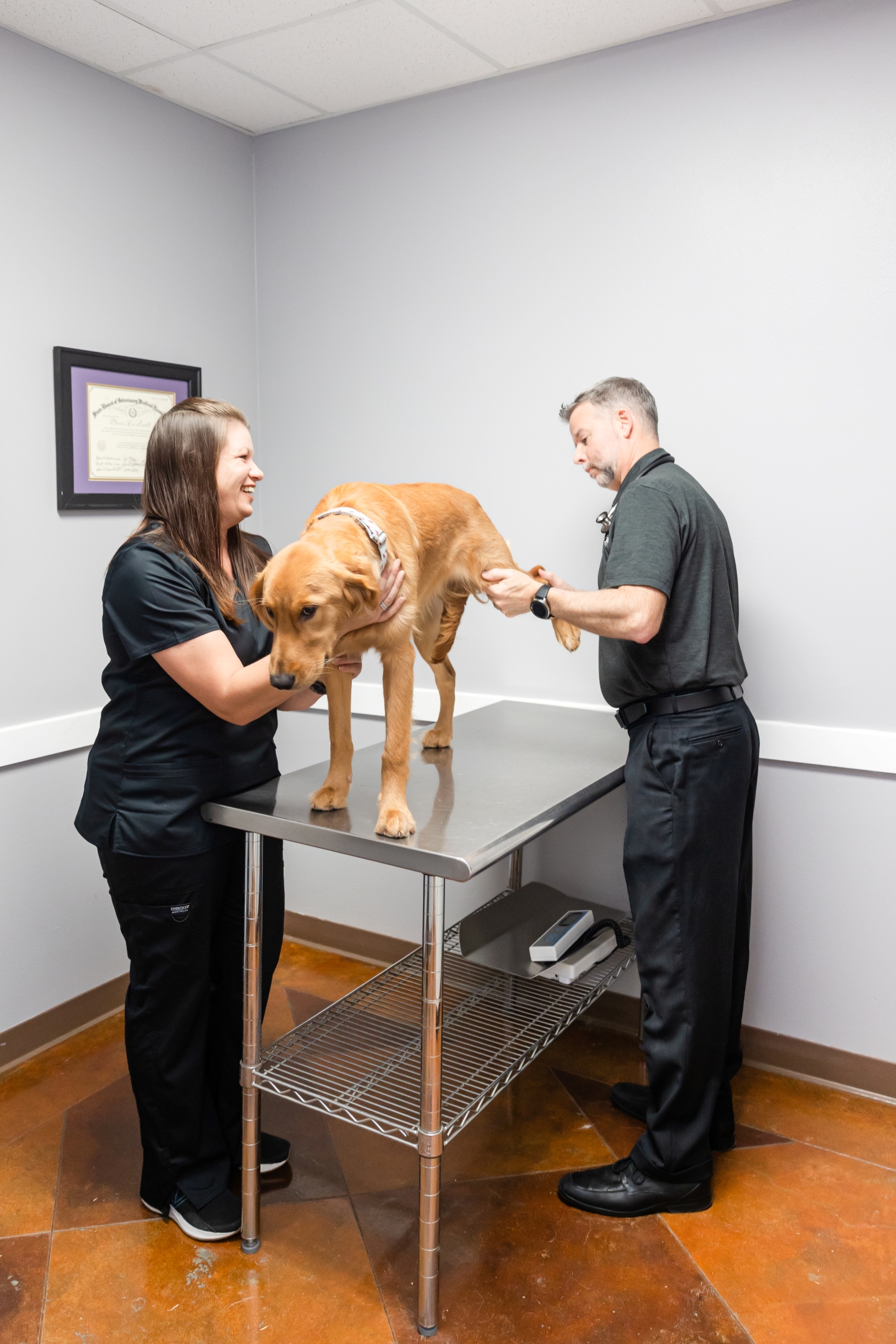
If you would like to verify how a specific plan might look for your household, the best next step is to reach out to Prairieville Animal Hospital directly. They can provide a personalized outline, answer questions about coverage, and help you compare options against your current care pattern. Whether your aim is to simplify budgeting, reduce the likelihood of dental pain, or ensure early detection of potential issues, a well designed preventive care plan can be a powerful tool. The path to enrollment is straightforward when you approach it with a clear sense of your goals, the health profile of your pet, and a willingness to partner with a veterinary team that values transparency and practical care.
Throughout this discussion, the emphasis remains on practical outcomes. Preventive pet care plans are not a luxury; they are a pragmatic strategy for sustaining health, happiness, and comfort across a pet’s life. Enrollment is the gateway to that strategy, offering a framework that makes high quality care predictable, accessible, and responsive to real life. In the end, the decision to enroll reflects a thoughtful approach to your pet’s well being, a readiness to invest in steady, proactive health management, and confidence that Prairieville Animal Hospital will be there as a trusted partner every step of the way.
Corrections
Spot something wrong? Send it to the desk and it gets fixed in the open.