Prairieville Animal Hospital: Your Local Animal Clinic Near Me Guide
Prairieville sits quietly along the river road, a place where neighbors know each other and the vet clinic becomes part of the weekly rhythm. When I first walked into Prairieville Animal Hospital years ago, it felt less like a business and more like a gathering place where care happens with a steady, practiced hand. The clinic isn’t just a place to fix a problem after it appears; it’s an extension of a community that values its pets as family members. Over the years I’ve watched the team hone a practical, compassionate approach that blends science with plainspoken, earned wisdom from real cases and everyday pet care.
What makes a clinic feel like home isn’t a glossy lobby or a long list of services on a brochure. It’s the people who remember your pet’s quirks, the way they greet you with a calm voice even when the day has been busy, and the clarity of the explanations that come after a diagnosis. Prairieville Animal Hospital embodies those qualities. It’s a place where preventive care is not a buzzword but a foundation, where senior pets get tailored attention, and where different service lines weave together so pet owners never have to navigate a maze to get answers.
This guide is a practical tour through what to expect from an animal clinic near me that puts your pet first. It’s not a sales pitch, but a map drawn from years of watching the clinic work with families who, like you, want reliable care that respects both budget and the lived realities of pet life. If you’re looking for a vet option that balances accessibility with depth of service, you’ll find that balance reflected here, in the way appointments are scheduled, in the way treatment options are explained, and in the quiet confidence of a team that has seen a lot and learned from it.
A practical clinic, in practice
What stands out in a clinic like Prairieville Animal Hospital is the sense of immediacy paired with a deliberate pace. When a pet comes in for a routine wellness exam, the conversation centers on the pet’s daily life as much as the medical checks. The team asks about the pet’s sleep patterns, appetite shifts, and the way the dog or cat is moving on stairs or during gate-to-gate transitions around the house. That focus on daily living creates a roadmap for care that makes sense to the owner because it mirrors what the pet owner already sees in the home.
If an acute issue arises, the clinic typically pivots with a clear sequence: triage, assessment, and a transparent discussion of options. There’s no sense of urgency disguised as mystery. Instead, you’ll hear reminders that certain symptoms require quick action, while others can be monitored with a plan, and you’ll be given practical timeframes for when to reassess. In this setting, medicine isn’t about pushing the latest treatment, but about aligning choices with the pet’s age, overall health, and the family’s capabilities.

In practice, the clinic’s philosophy translates into a few everyday commitments. First, a strong emphasis on preventive care. Vaccination schedules, dental health programs, nutrition counseling, and routine screenings are framed as proactive tools that prevent problems from reaching a crisis point. Second, a recognition that senior pets bring a different set of needs. Regular bloodwork, kidney function checks, arthritis management, and pain control require planning and a steady hand. Finally, an eye toward affordability without compromising quality. Real-world care often means balancing what’s ideal with what’s feasible, and Prairieville Animal Hospital seeks solutions that work within a family’s budget.
Understanding why preventive care matters
Preventive pet care can feel abstract until you watch a pet’s health trajectory over several years. In the clinic, it becomes tangible when you see how early detection shifts outcomes. A routine exam with a veterinarian near me isn’t simply a pass for annual vaccines; it’s a time to map out a pet’s year ahead. The team explains what tests are appropriate at different life stages, what the results imply, and how changes in weight, appetite, or energy level signal deeper shifts.
For dogs and cats alike, dental health is a frequent but overlooked pillar. The reality is straightforward: mouth pain can ripple into behavior changes, appetite problems, and decreased activity. The clinic’s preventive plan often starts with a dental check during the wellness visit, followed by a personalized cleaning schedule. While some pets tolerate anesthesia for a full dental cleaning better than others, the team collaborates with families to weigh risks and benefits. A focused dental program can prevent more invasive interventions later, which translates into fewer emergencies and steadier annual costs.
Senior pet care is the other side of preventive medicine. It’s where the baseline shifts from what’s normal for a healthy youngster to what’s expected in a more mature life. The clinic develops a plan that might include more frequent checkups, specific screenings for common geriatric issues, and an emphasis on mobility and comfort. The approach is not about surrendering to aging but about extending quality of life with monitoring that catches problems before they escalate.
What I’ve learned from watching the team work with families is that preventive care is a package deal. It isn’t confined to a single visit. It’s a rhythm: vaccines and health checks at the appropriate life stage, dental care embedded in yearly plans, weight and nutrition management, and timely monitoring of chronic conditions. The payoff appears in quieter lives at home — fewer late-night worry calls, steadier daily activity, and pets who feel more like themselves, even as they age.
A close look at services that matter most
The core work of the clinic rests on the day-to-day tasks that keep pets healthy, comfortable, and connected to their people. This isn’t a place that promises miracle cures; it’s a place that offers practical medicine, honest explanations, and practical choices that fit real life. You’ll notice a few through-lines when you pay attention to how staff describe the work and how they interact with families.
- Routine examinations with a clear plan for the year
- Vaccination and parasite control tailored to the region and lifestyle
- Dental care that begins with assessment and continues with a treatment plan
- Diagnostic imaging, including ultrasound when necessary, with a careful explanation of findings
- Pain management and mobility support, important for aging pets and active companions alike
These services sit alongside more focused capabilities such as surgical procedures, urgent care when needed, and diagnostic support that brings together laboratory data, imaging, and clinical judgment. The aim isn’t to push every available service at every visit but to align what’s offered with what makes sense for the pet and the household.
The practical reality of affordability
Affordability in veterinary care is a lived concern for many families. It’s not just about price points on a menu of services, but about what makes sense in the bigger picture of a pet’s health and a family’s finances. Prairieville Animal Hospital works within that frame by offering transparent estimates, explaining why certain tests or procedures are recommended, and helping owners prioritize care. This is where the clinic’s straightforward communication earns trust. You’re told what to expect in terms of costs, what alternatives exist, and what the expected outcomes are for each option.
This doesn’t mean skimping on care. It means finding a pace and a plan that keeps your pet safe while avoiding unnecessary expenditures. In my experience, the best outcomes happen when you’re honest about budgets upfront and then let the team propose a path that respects both medical necessity and financial realities. It’s not glamorous, but it is functional and humane.
A few practical notes that help families navigate care
- Scheduling matters. A predictable routine makes it easier to stay on top of vaccines, dental cleanings, and routine checks. If your calendar is crowded, talk with the front desk about open slots that won’t disrupt your work or school day. The goal is consistency, not perfection.
- Bring a list of concerns. If there’s a change you’ve noticed at home, jot it down. Owners see patterns that can be invisible to clinicians in the moment. A concise checklist helps the appointment stay efficient while ensuring nothing important slips through the cracks.
- Ask questions. There’s no such thing as a silly question in a veterinary visit. If you don’t understand a recommended treatment or its alternatives, ask for a plain-language explanation. A good team will take the time to break down what each option provides, the risks, and the expected timeline.
- Consider a care plan. A written plan that outlines vaccines, dental care, routine testing, and a senior-pet protocol can be a powerful tool. It gives you a roadmap for the year and reduces decision fatigue when new issues pop up.
The care team: consistency you can rely on
One of the enduring advantages of a neighborhood clinic like Prairieville Animal Hospital is the continuity it offers. You’re more likely to build a relationship with a group of veterinarians and technicians who know your pet and your family’s routines. That consistency matters, especially when your pet develops a chronic condition or requires ongoing management. The team’s ability to reference past visits, tests, and treatment responses becomes a reliable anchor in an otherwise uncertain landscape.
Senior pet care becomes a case in point. A dog with arthritis and a cat approaching their golden years benefit from familiarity with the team, which translates into quicker symptom recognition and more precise adjustments to medications or therapies. The same holds for post-surgical care or recuperation after an illness. When you know the people handling your pet, you gain confidence that the plan is not just technically correct but personally tailored.
The impact of practical, honest communication
There is a subtle but powerful quality to the communication you’ll encounter here. It’s not about reciting medical jargon for its own sake. It’s about translating the science into something you can apply. It’s about acknowledging the realities of daily pet ownership—the weather, the work schedule, the costs—and still delivering clear, actionable guidance. In the end, it is this honesty that builds trust. You don’t leave with a vague sense that you’ve been sold something you didn’t need. You leave with a sense that you can do right by your pet within the constraints you face.
A closer look at two focal areas
Preventive care and senior pet care deserve their own emphasis because they shape the daily decision-making that affects long-term outcomes. They are not separate silos but complementary strands of a broader strategy to keep pets healthy and engaged with life as they age.
Preventive pet care as a daily rhythm
The preventive axis is not a sprint but a long course. It begins with an annual or semi-annual wellness visit that includes a physical exam, a health history review, and an age-appropriate set of screenings. In younger pets, this often centers on vaccines and parasite control, ensuring they’re protected during the most vulnerable months. As pets mature, the focus shifts to metabolic and organ system screening, with an emphasis on early detection of problems that tend to lie quiet until they become difficult to treat.
Nutrition and weight management are recurring themes in preventive care. The clinic often collaborates with families to tailor feeding plans that consider age, activity level, and any chronic conditions. It’s not uncommon to adjust portions, switch to a different formulation, or introduce specialized diets for specific issues such as diabetes prevention or urinary tract health. The conversations are practical and grounded in daily life: what foods are accessible, how to measure servings, and how to monitor changes at home.
Vaccination schedules are another living conversation. They’re not a static prescription, but a set of guidelines that adapt to new findings, risk factors in the community, and a pet’s exposure profile. This flexibility matters because it preserves protection without overloading the animal with unnecessary interventions. The clinic’s approach tends to favor evidence-based practices delivered in a steady cadence that respects the owner’s capacity to participate in the plan.
Senior pet care as a tailored program
When a pet crosses a certain age, care shifts in character. The team pays closer attention to mobility, pain control, and appetite fluctuations. Arthritis is a common companion for older pets, and the clinic’s toolbox for managing it ranges from joint-supportive therapies to carefully chosen medications and lifestyle adjustments. It’s a reminder that aging is not just a medical condition but a shared experience that involves the owner, the pet, and the daily rituals they navigate together.
Chronic conditions, once detected, require ongoing management. The clinic leans on regular monitoring intervals and a clear communication channel with families about what’s changing and why. It’s not about chasing perfect numbers; it’s about maintaining comfort, keeping activity levels reasonable, and preserving a sense of normalcy in a pet’s life. This approach often means coordinating with specialists when needed while maintaining the central relationship with Prairieville Animal Hospital as the touchstone for day-to-day care.
Two practical case-in-point stories
1) A middle-aged hound with a creeping limp: The owner notices stiffness after a long walk. A thorough exam reveals early osteoarthritis. The plan includes a combination of weight management, a targeted joint supplement, a gentle exercise routine, and a pain management strategy adjusted to the dog’s response over several weeks. The owner leaves with a clear plan, a schedule for follow-up checks, and a sense of partnership instead of a one-off treatment.
2) A senior cat with sudden appetite loss: The initial worry centers on kidney function and infection. Quick tests identify a manageable imbalance that is addressed with a short-term dietary adjustment and hydration strategy. A few weeks later, appetite returns and energy improves. The family feels relief, and the clinic notes the improvement in the chart, reinforcing the value of timely testing layered with thoughtful home care.
A practical note on boarding and day care
For families who travel or require daytime coverage, the clinic’s boarding option can be a valuable resource. It’s not just a kennel, but a supervised environment where staff familiar with the pets can monitor weight, hydration, and overall behavior. For any pet that benefits from routine medication or special dietary needs, those requirements can be integrated into the boarding plan with the same attention given to medical visits and emergencies. You’ll find that the boarding option is integrated with preventive and senior care principles as well, emphasizing comfort, safety, and continuity of care even when you’re away.
What to expect during a typical visit
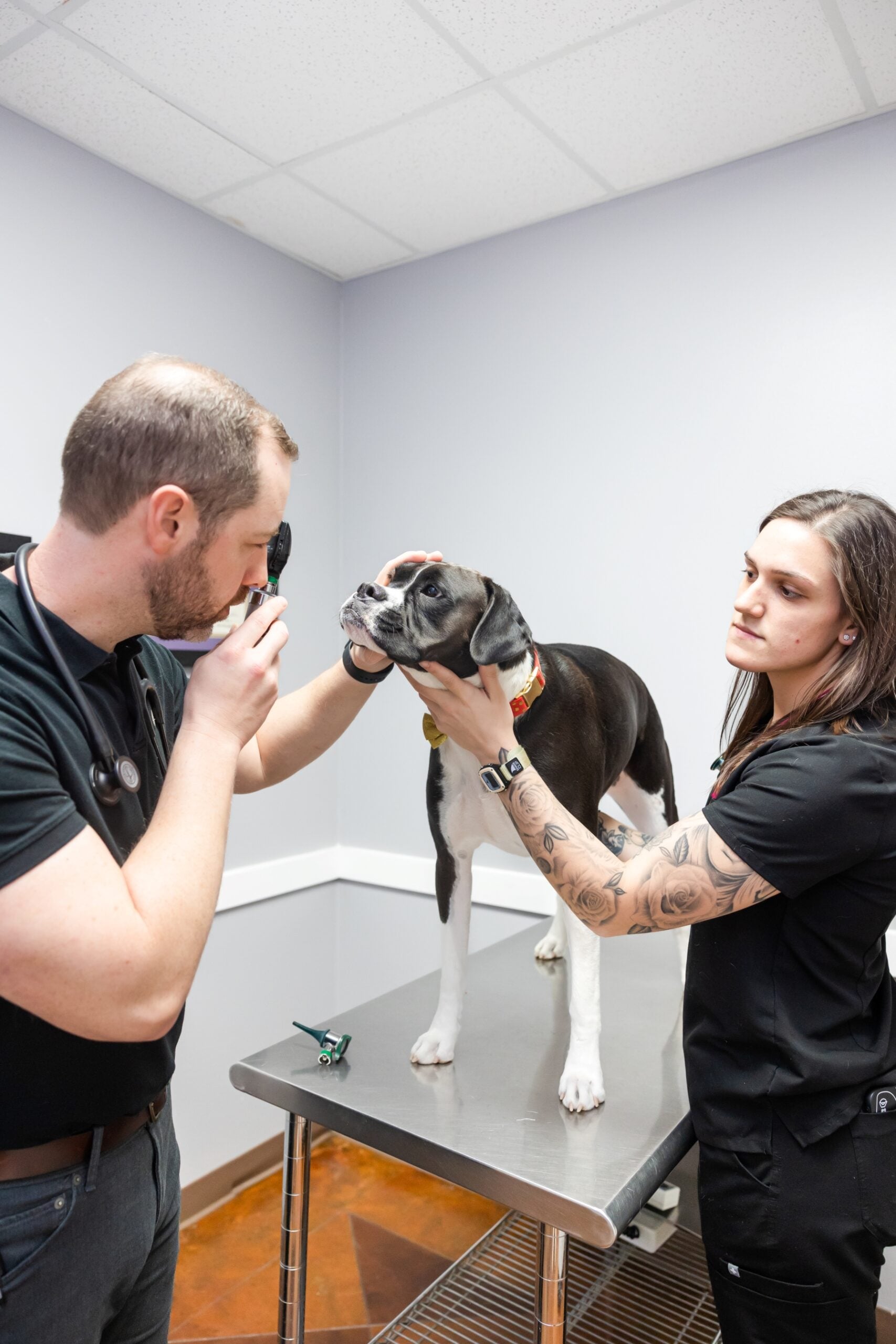
A typical appointment unfolds with a message that blends efficiency with courtesy. The front desk team confirms your pet’s profile, verifies vaccines, and reviews any changes in health or behavior since the last visit. In the examination room, a veterinarian performs a careful physical exam, often complemented by a technician who weighs the pet, checks vital signs, and notes any subtle changes in gait, coat condition, or hygiene. If a diagnostic step is needed, such as blood work, urine analysis, or imaging, the clinician explains what they’re looking for, why it matters, and how it will influence the next steps.
The follow-up conversation is where the real nuance emerges. The team presents the proposed treatment in plain language, outlines costs, and offers alternatives. It’s not a single call to action but a collaborative decision-making moment. If you walk away with a plan that includes a home care routine, a follow-up appointment, and a few questions to circle back on, you’ve likely benefited from a thoughtful, patient-centered approach.
The clinic’s physical space and environment
A clinic’s atmosphere can mirror its approach to care. The space at Prairieville Animal Hospital tends toward calm and functional rather than flashy. It’s a place designed to reduce stress for both pets and people: soft lighting, clean rooms, and a staff that speaks in clear, reassuring tones. The design supports a sense of order without feeling clinical in a way that might alienate owners or pets. It’s the kind of environment that helps a nervous dog settle down and a shy cat feel a little more at ease when it’s time for vaccines or a checkup.
A thoughtful touch appears in the way the team handles anxious pets. They use gentle, steady movements and allow for a slow introduction when possible. If a pet requires a quiet corner to decompress before a procedure, there’s space for that. It’s not about making a spectacle of the pet’s emotions but about respecting them as individuals who have their own tolerance for stress and the clinic’s routines.
Real-world decision-making: trade-offs, constraints, and edge cases
No clinic can promise perfect outcomes in every scenario. The work consists of making decisions under constraints that are familiar to anyone who has managed a household: budget limits, time pressures, and the unpredictable nature of health. The team at Prairieville Animal Hospital uses a pragmatic framework: identify the problem, gather information, propose tested options, and align on a plan that balances risk, benefit, and cost. This approach becomes particularly important when dealing with pets who are aging, have chronic conditions, or require timely interventions that move quickly from plan to action.

Edge cases remind us that medicine is not a straight line. A pet with an unusual presentation may require more extensive testing, specialized imaging, or referrals to a veterinary specialty clinic. In those moments the team doesn’t pretend to have all the answers in one visit. They acknowledge the limits, lay out the next steps, and maintain open lines of communication so families never feel left in the dark.
A sense of place and belonging
Ultimately, what makes Prairieville Animal Hospital stand out is not any single service but the sense that a community is anchored there. It is a place where a pet’s life unfolds in a sequence of well-timed visits, where care is tailored and practical, and where families are treated as partners in a shared mission: to keep pets healthy enough to live fully, laugh often, and age with grace. That’s not a headline or a marketing line. It’s the outcome I’ve seen, time and again, in the quiet moments after a successful treatment, in the relieved smiles of owners, and in the steady rhythm of a clinic that has learned to balance competence with compassion.
Two lists to summarize core aspects
- Core services that stay consistently relevant across life stages
- Clinic ethos that guides everyday decisions and interactions
If you’re weighing options for pet care in Prairieville, consider not only the services offered but the way those services are delivered. Look for a team that speaks plainly, a plan that respects your budget, and a pathway that keeps your pet’s quality of life front and center. A clinic that can deliver that combination is more than a medical resource; it becomes a dependable partner through the long voyage of pet ownership. Prairieville Animal Hospital embodies that partnership, built over years of steady practice and a reputation earned through consistent, practical care.
A closing note for readers who value clarity
If you’re evaluating animal clinics near me, you’ll want to measure not only what’s on the price sheet but how the clinic interacts with you and your pet in the exam room. The right provider will be transparent about what is truly necessary, what can wait, animal clinic prairieville la and why a particular plan makes sense given your pet’s history and your household’s circumstances. In the end, care is about trust, and trust is earned in the details: the way a clinician explains a test, the patience shown when a frightened patient calms, and the follow-through that keeps your pet on a steady, predictable path toward better health. Prairieville Animal Hospital has earned a reputation for those qualities through repeated, consistent experiences with families who rely on a local clinic to anchor life with their pets.
Corrections
Spot something wrong? Send it to the desk and it gets fixed in the open.