Prairieville Animal Hospital Pet Wellness Exams for Puppies and Kittens
Wellness exams for young pets are more than a routine checkup. They are a window into a lifetime of health, a practical framework that blends prevention with education. At Prairieville Animal Hospital, we approach puppy and kitten visits not as one-off obligations but as the cornerstone of responsible pet ownership. The first year of a dog or cat’s life is a series of rapid changes, and a thoughtful wellness plan can guide those changes with fewer surprises and more confidence.
From the moment you walk through our doors with a squirmy ball of fur or a confident little explorer, the goal is clear. We want to establish a long-term relationship with your family, so we can catch health issues early, guide behavioral development, and tailor care to your pet’s unique needs. The wellness exam is the hub of that effort, a diagnostic and educational session rolled into one practical appointment.
A real world view of puppy and kitten care comes from days spent in the clinic listening to owners describe what they’re seeing at home. It comes from watching energy levels swing between wonder and weariness as a curious youngster learns the world. It also comes from the hands of clinicians who know that vaccines, dentistry, nutrition, and parasite control are not separate chapters but interwoven parts of a single, ongoing plan. The work at Prairieville Animal Hospital reflects this integrated approach, with a cadence that respects your family’s schedule while keeping your pet on track for a healthy, active future.
What makes wellness exams distinct in the first months of life is momentum. Puppies and kittens grow quickly, often reaching developmental milestones in a matter of weeks. That pace means the questions we ask during a wellness visit are sharper, the tests we run are targeted, and the guidance we provide is timely. We do not treat the exam as a moment in time. We treat it as a starting line, a point from which your pet’s health story unfolds.
In practice, a wellness visit goes beyond temperature and weight. It is a structured conversation that becomes more nuanced as the pet ages. For a new puppy, the talk might center on growth rates, nutrition transitions, and housetraining realities. For a new kitten, the emphasis may include litter box habits, socialization, and early litter chemistry. Yet both paths converge on several core themes: vaccination status, dental health, parasite prevention, behavior basics, and a plan for ongoing wellness. This is where our team brings clinical knowledge together with a daily, lived experience of pets and their people.
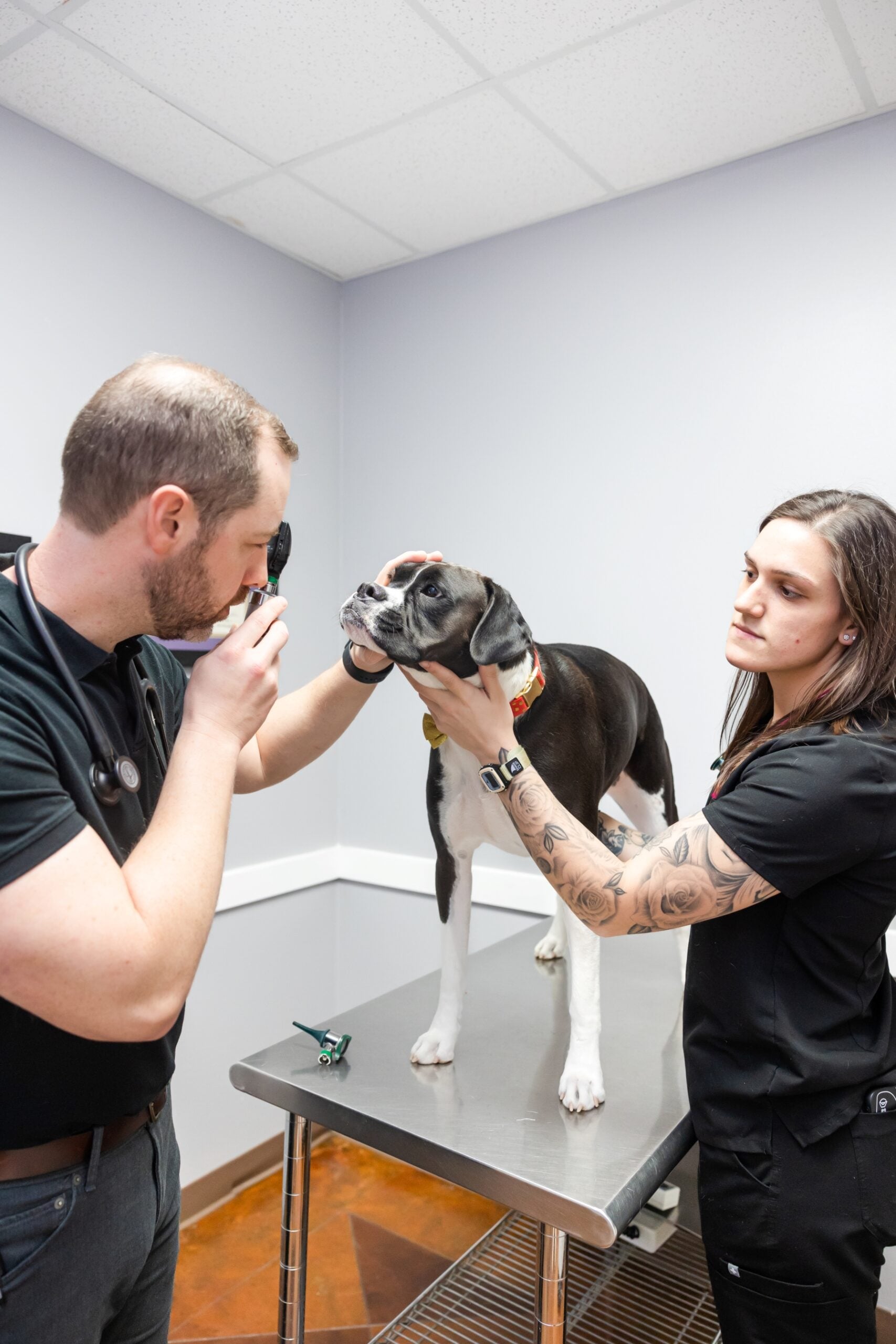
At Prairieville Animal Hospital, every wellness exam is anchored by a few practical pillars. The medical team uses a thorough physical examination as a compass. We measure heart and lung function to understand baseline dynamics, look at the coat and skin for signs of allergies or parasites, and evaluate joints and mobility that might hint at developmental concerns. We also assess the mouth and teeth, since dental health in puppies and kittens is not a luxury; it’s a predictor of long-term comfort and quality of life. The goal is not to alarm but to inform. If something seems out of the ordinary, we outline a plan that includes monitoring, additional tests if needed, and education for you on how to support your pet at home.
In a practical sense, the wellness visit is also a road map. The veterinarian explains what vaccines are recommended, what risks they address, and which schedules fit your pet’s age and risk profile. For puppies, this often means a set of vaccines that begin early and build immunity as the immune system develops. For kittens, the vaccines are timed to protect against common feline diseases while reflecting how quickly a kitten matures. The team also reviews deworming needs, flea and tick prevention, and how to read the clock on dental care. The rhythm of this plan can feel intense, but it is designed to keep your pet protected during the moments when they are most vulnerable.
The experience at Prairieville Animal Hospital is shaped by the everyday realities of pet ownership. Our clients bring in puppies and kittens that arrive with a mix of energy and questions. Some days the exam is smooth and quick; other visits require patience as a young animal learns to accept the checkup. We see it all, and we use those moments to tailor our recommendations to your household. The health of a young animal reflects choices you make at home as much as the medical advice we provide. That mutual effort is the backbone of successful prevention, and it is what makes wellness exams meaningful rather than merely routine.
A corner of a wellness exam that often deserves extra attention is the concept of prevention as a practical skill. We teach you how to measure growth curves, recognize the signs of potential issues, and implement a daily routine that supports health. For instance, you may hear about a simple dental care routine your puppy or kitten can adopt before a single tooth erupts. Dental health is not something to postpone until a problem is obvious; early, consistent care reduces the likelihood of pain and expensive interventions later on. Small steps taken consistently over months and years have a lasting impact on comfort and longevity.
In the context of parasite control, our guidance emphasizes not only medication schedules but also environmental strategies. Fleas, ticks, and intestinal worms can be present even when an owner is vigilant. The wellness exam provides a framework for testing and prevention that aligns with your lifestyle, whether you live in a rural setting with exposure to wildlife or in a suburban home with a busy schedule. The practical takeaway is that prevention is a partnership. We offer the medical expertise, and you provide the day-to-day commitment that keeps your pet protected.
The human element of wellness visits should not be overlooked. For many families, a child’s first veterinary experience is a formative moment. The compassion and patience shown during a puppy’s first vaccine, the calm and steady approach when a kitten becomes unsettled, these are memories that shape how a household views veterinary care. At Prairieville Animal Hospital we strive to create an environment where families feel seen and supported. We explain each step with clear language, offer written materials when helpful, and invite questions any time you need them. The aim is to build confidence so that future visits feel familiar rather than intimidating.
As puppies and kittens move through their first year, the cadence of care shifts. Early visits lay the groundwork, but the month-to-month focus becomes more nuanced. We begin to align the vaccination schedule with local disease prevalence, the pet’s specific risk factors, and the owner’s tolerance for scheduling demands. The veterinary team stays attentive to micro-milestones such as teething, socialization windows, and the emergence of food preferences. Each topic is addressed with practical recommendations, not abstract theory. We want you to be able to translate our guidance into actions at home without a long pile of notes to wade through.
The long view of wellness care includes planning for adolescence and the start of adulthood. The puppy or kitten phase is a sprint, and the rest of life follows a more measured pace. Our job in those early visits is not to overwhelm you with every possible medical complication, but to equip you with a durable plan that scales as your pet grows. We track weight trends to avoid obesity, which is an often overlooked risk that can undermine bone health, mobility, and vitality. We discuss nutrition that aligns with activity level and growth stage. And we talk through behavioral development, because how a young pet learns to interact with family members shapes daily life for years to come.
The practical advantages of early wellness care extend beyond the animal’s immediate comfort. Preventive care reduces the likelihood of emergency visits, a fact that resonates with many families when they hear the numbers. While not every potential problem can be prevented entirely, the probability of a preventable crisis drops with consistent, informed care. In our clinic, we see this in action across dozens of cases each year: pregnancies caught early, developmental issues identified before they become complex, dental problems intercepted before the roots change and the pain escalates. Those outcomes are not just statistics; they are families saved from the stress of sudden illness and the expense that follows.
The day-to-day reality of the wellness program is that it requires collaboration. We rely on you to bring questions, to share changes you notice between visits, and to keep your pet on the agreed vaccination and preventive medication schedule. There is room in every appointment for a small adjustment. A parent might realize that a kitten is more comfortable with a slower pace during a vaccination visit, or that a puppy responds better to a shorter, more frequent series of exams rather than a single long one. The flexibility built into Prairieville Animal Hospital’s approach is not a concession to convenience; it is a recognition that real families are busy and that a plan that adapts to life is a plan that sticks.
In the end, wellness exams for puppies and kittens are more than a checklist. They are the practical framework that keeps health predictable and life enjoyable. They support growth, facilitate behavioral development, and set a course for preventive care that lasts a lifetime. The day you bring your new puppy or kitten home is the day you begin a partnership with Prairieville Animal Hospital. Our team commits to being accessible, knowledgeable, and proactive as you navigate the early, formative months of pet ownership. The work we do during wellness visits is not glamorous in the moment, but it builds a foundation you will notice in the months and years that follow.
What to expect during a wellness exam in the first year might help you prepare and participate more fully. The checkup itself is typically calm and methodical. The veterinarian begins with a conversation about growth, appetite, energy levels, and any concerns you have observed since the last visit. They will weigh your puppy or kitten to ensure healthy growth curves and assess body condition. A physical examination follows, with particular attention paid to heart and lungs, abdomen, teeth, and gums, coat and skin, ears, eyes, and musculoskeletal integrity. The team notes any subtle changes that might signal a developing issue and discusses how to monitor them at home between visits.
As you might expect, vaccines are central to the first year. A typical puppy schedule starts with a core set of vaccines given at several visits spaced a few weeks apart, followed by boosters timed with your pet’s growing immune system. The kitten plan follows a similar logic, though the exact vaccines and timing depend on local disease patterns and your household’s risk factors. The clinic will outline what is essential for your pet now and what can wait until a subsequent visit without compromising protection. We consider your pet’s lifestyle when recommendations are made, such as whether your puppy spends time at dog parks or if your kitten has access to the outdoors.
Dental care takes its place in the wellness framework as soon as teeth begin to appear. It might be a light teaching session for you on how to brush the puppy’s or kitten’s teeth, paired with discussion about appropriate dental chews and diets. Early dental maintenance is an investment that pays off later by reducing the risk of persistent tartar buildup, gum disease, and tooth loss. The wellness exam creates a teachable moment, turning routine care into habits that last a lifetime.
Parasite prevention and screening are another pillar. We walk families through the realities of fleas, ticks, roundworms, and other intestinal parasites that can slip into a household through a single outdoor excursion or a curious bite. The guidance is practical: how to apply topical preventives, how often to test for certain parasites, and what signs to watch for that might indicate a need to adjust a plan. The goal is not to frighten but to empower.
For families juggling schedules, the wellness exam is designed to be efficient without feeling rushed. We recognize that a long visit with a kitten who would rather chase a light fixture is not the most enjoyable experience. The team is trained to pace the session, allowing breaks when needed and offering guidance in real time. After the exam, you will leave with a written plan that covers vaccines, deworming, parasite prevention, dental care, and behavioral tips. A few days later you may receive a brief follow-up call to answer any questions that have arisen as you incorporated the recommendations into daily routines.
Sometimes the visit reveals a more immediate need. It could be a minor concern that requires a quick adjust in medications or a recommendation to start a supplementary behavior program for a shy puppy. Other times, it might mean scheduling a dental cleaning in the not too distant future or planning a more comprehensive wellness assessment as the pet approaches adolescence. In all cases, the team aims to be transparent about the expected timeline, the potential costs, and the practical steps you can take at home to keep momentum going.
To illustrate how this looks in practice, consider a recent client with a two-month-old pup and a six-month-old kitten. The puppy arrived with a healthy weight but a history of soft stools during the first two weeks at home. The exam confirmed normal growth, and the clinician recommended a gentle dietary adjustment along with a stool test to rule out common parasites that can cause transient GI upset. The kitten, meanwhile, had mild gingivitis that could be managed with a simple dental care routine and a plan to monitor for progression. In both cases, we walked the owners through the why behind each recommendation, offered demonstrations when helpful, and documented a clear action plan to be revisited at the next visit.
No two young pets follow the same script, and the same is true for the families who own them. Some households require a flexible vaccination schedule because of travel plans or work commitments. Others need more frequent, shorter exams to accommodate a nervous dog or a curious cat who is easily overwhelmed. Prairieville Animal Hospital accommodates these realities with a patient-centered approach. We aim to minimize stress for the animal while maximizing the value of the information gained during the visit. The end result is care that feels accessible rather than burdensome, with a transparent path forward that owners can easily follow.
The value of wellness exams also shows up in the way they shape a family’s long-term relationship with the clinic. When owners recognize that a checkup is their best defense against a range of preventable problems, they tend to schedule visits more consistently. Consistency translates to better record-keeping, more accurate growth and development tracking, and a stronger sense of reassurance. The medical team learns the pet’s baseline over time, and that baseline becomes a critical reference point when a new issue arises. The relationship built around wellness visits then extends beyond vaccines and checkups, influencing how owners respond to signs of discomfort or confusion in their pets.
There is a quiet artistry in the routine of a wellness exam. The clinician reads the body language of a puppy that wants to explore but also needs direction, or a kitten that tests boundaries as it learns to trust a human hand. The small moments—scratching behind the ears, a momentary tail wag, a gentle vocalization when a tooth is brushed—these are not mere details. They are data points that tell the story of how a pet adapts to care and how a family supports that adaptation. This incremental progress, visible in weight stability, energy levels, and social behavior, is the meat and bones of preventive medicine in the first year.
If you’re preparing for your puppy or kitten’s wellness exam, a few practical tips can help the appointment go smoothly. Bring any medications your pet is currently receiving, even if they were started by another clinic or a prior owner. Have a list of questions ready, no matter how small they may seem. Bring a preferred contact method so the clinic can reach you with updates or changes in the plan. If your pet tolerates car rides better with a familiar blanket or toy, consider having that with you to reduce stress for a nervous animal.
The endgame of wellness care is straightforward: give your pet the best possible start, and maintain that foundation with follow-through. It is about seeing the big picture and letting the day-to-day responsibilities weave into a coherent, sustainable plan. Our team at Prairieville Animal Hospital brings years of experience and a steady, pragmatic approach to each visit. We know that the first year is a sprint for many pets, but we also know that the habits formed during this period set the stage for decades of health, vitality, and well-being.
Two practical ideas shape our approach to the puppy and kitten wellness plan. First, a consistent vaccination and parasite prevention schedule emergency vet prairieville is designed to align with disease exposure risks and your family’s life. Second, a simple, repeatable home care routine enhances what happens in the clinic. These two ideas work together to create a preventive framework that is reliable and adaptable, from the smallest litter box mishap to the most stubborn dietary transition.
In the pages that follow, you will find a concrete reference for what to expect, what to ask, and how to participate in a wellness exam for your young pet. The material is not a sales pitch. It is a guide rooted in clinical practice and everyday experience, shaped by countless visits to Prairieville Animal Hospital. Our aim is to empower you to make informed decisions and to support your pet through the tumultuous but magical first year of life.
Two lists that may help you prepare for and navigate the exam process.
What to expect during a wellness exam (in brief, for quick reference)
- Initial check and growth assessment: weight, body condition score, and a quick look at energy levels.
- Physical exam with focus areas: heart, lungs, abdomen, ears, eyes, teeth, skin, coat, joints.
- Vaccination discussion and plan: core vaccines, non-core vaccines as appropriate, and schedule.
- Parasite prevention review: current products, deworming status, and environmental considerations.
- Home care guidance: dietary recommendations, dental routines, enrichment and behavior tips.
What a typical vaccination and preventive plan may look like over the first year (illustrative, not a substitute for personalized advice)
- Core vaccines given on a staged schedule to build immunity as the immune system matures.
- Annual boosters aligned with risk and product guidelines.
- Deworming schedule based on exposure risk and local parasite prevalence.
- Regular flea and tick prevention tailored to environment and lifestyle.
- Dental health plan including routine cleaning, brushing, and chews as age-appropriate.
The reality of keeping a puppy or kitten healthy rests on consistent, informed action. A wellness exam is more than a momentary assessment; it is a plan you can carry with you into daily life. It is a commitment you make with your veterinarian to the idea that prevention, properly implemented, makes a real difference. At Prairieville Animal Hospital, that philosophy guides every visit, every discussion, and every recommendation. The first year creates the foundation of a long, healthy relationship between your family and your pet, and our team is honored to be part of that journey.
In closing, wellness exams for puppies and kittens are practical, compassionate, and essential. They balance medical science with everyday life, translating expert guidance into actions that families can sustain. They recognize growth as a dynamic process and respond with flexible, evidence-based care. When you bring your young pet to Prairieville Animal Hospital for a wellness exam, you are not just ticking boxes. You are investing in a future where health is manageable, predictable, and shared across the entire household. That shared commitment—evidence-based medicine married to attentive, human-centered care—defines the work we do and the service we strive to deliver, day in and day out.
Corrections
Spot something wrong? Send it to the desk and it gets fixed in the open.